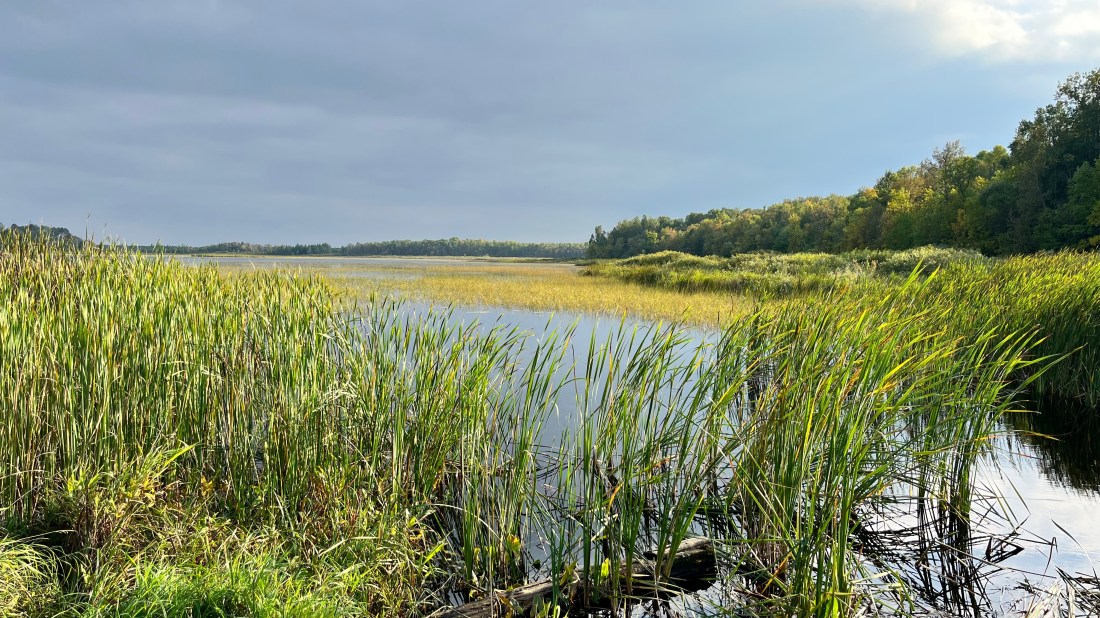
Last week, I went exploring at the new Keystone Woods Wildlife Management Area in May Township and discovered that it was very, very, very wet. The property, formerly known as Kelley Farms, includes 1820 acres of rolling grasslands, wetlands, lakes, and oak forest and is a prime destination for hunting and bird watching.
Within minutes of arriving, I was forced to make a tough decision. Attempt to leap across twelve feet of open water to continue along my preferred route? Or switch directions and precariously balance on hummocks of grass to hop my way across a marshy wetland? I chose the grassy marsh, but before long, I reached another junction. Should I use a fallen tree as a balance beam to cross through the muddy woods? Or climb a glacial ridge in search of drier ground? One thing was abundantly clear; I’d made the wrong decision when I’d left my rubber boots at home that day.
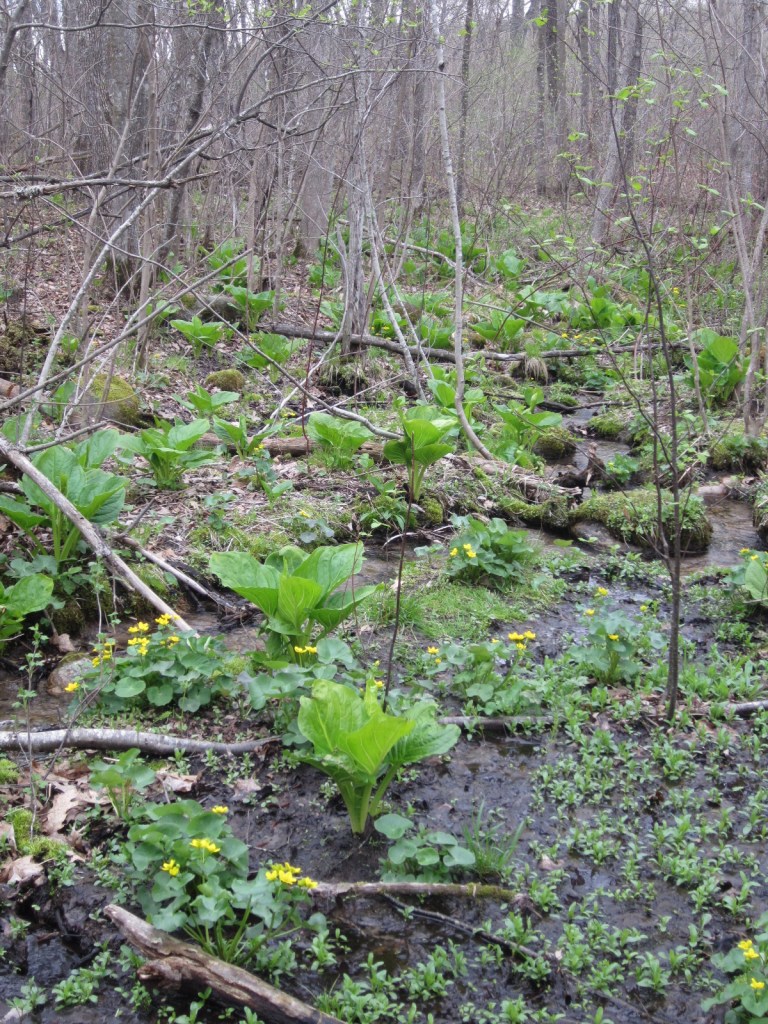
Though Minnesota might be known as the “Land of 10,000 lakes,” we could just as easily call ourselves the “Land of 1,000,000 wetlands.” From seepage springs filled with skunk cabbage and marsh marigold, to floodplain forests, marshes, tamarack bogs, and fens, there is almost literally a wetland anywhere you might go here.


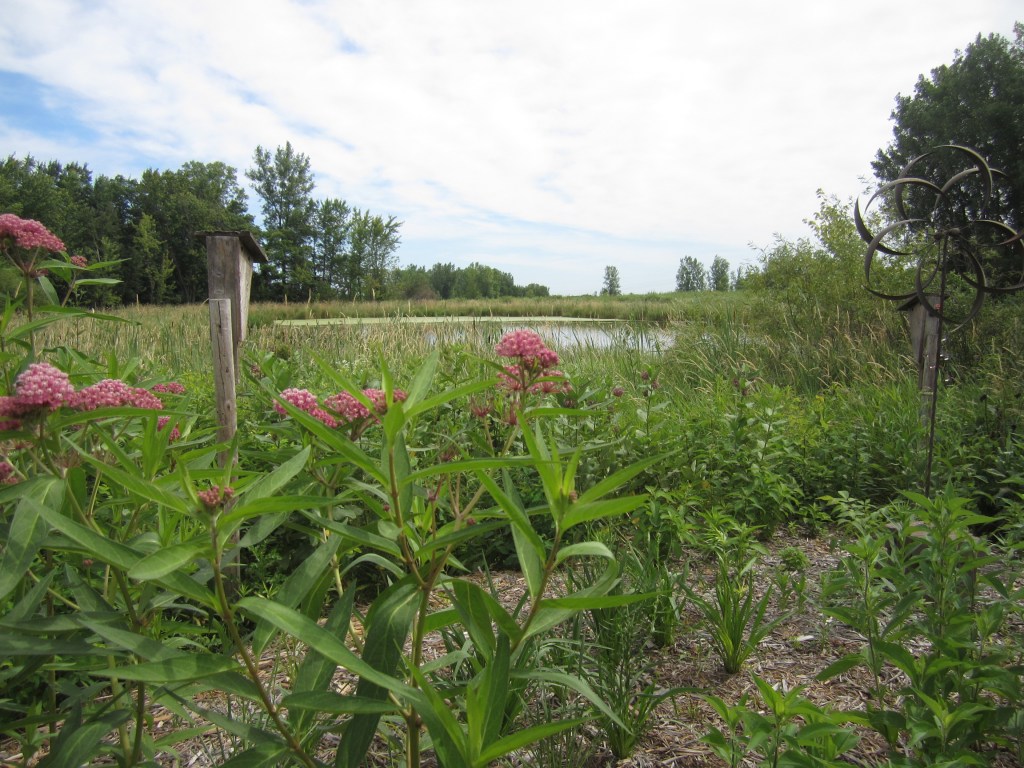

bogs, fens, shallow and deep marshes, shallow open water, shrub
and wooded swamps, seasonal basins, and wet meadows.
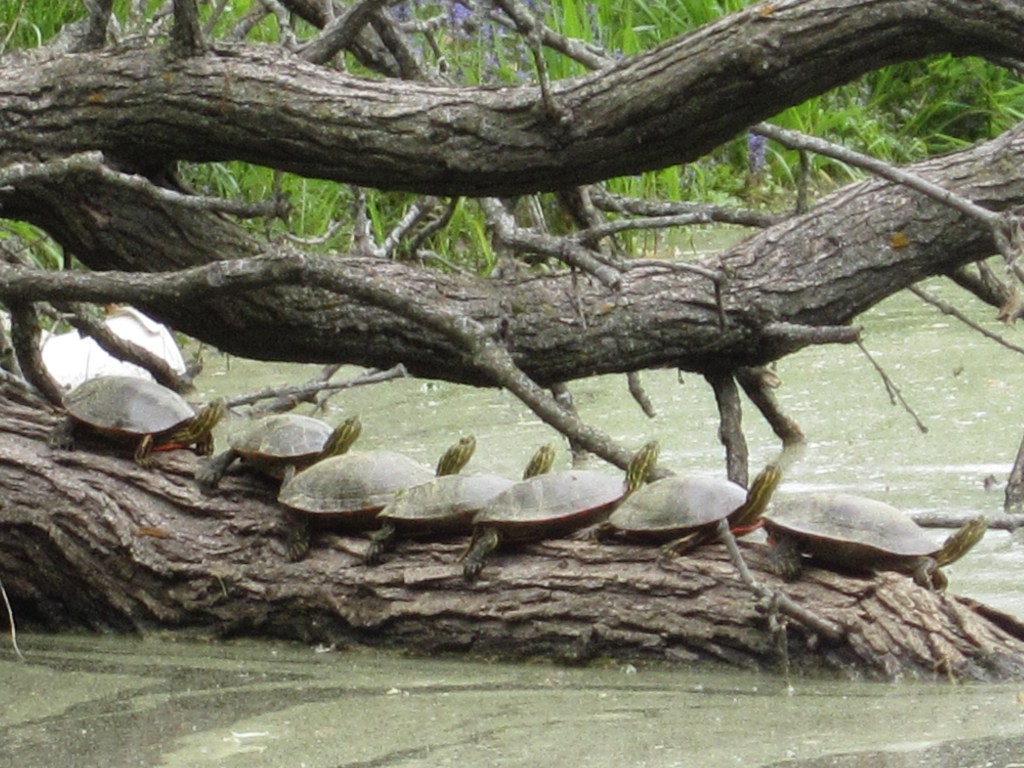
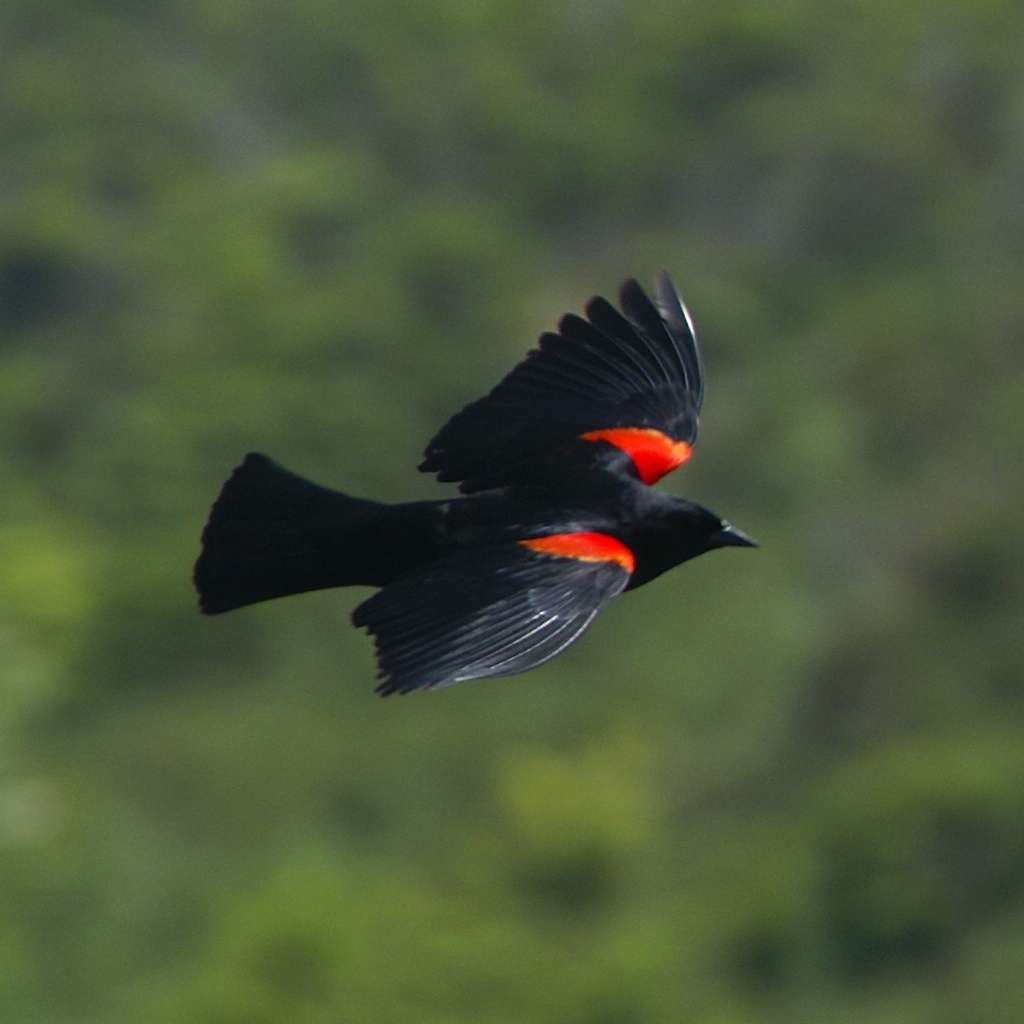
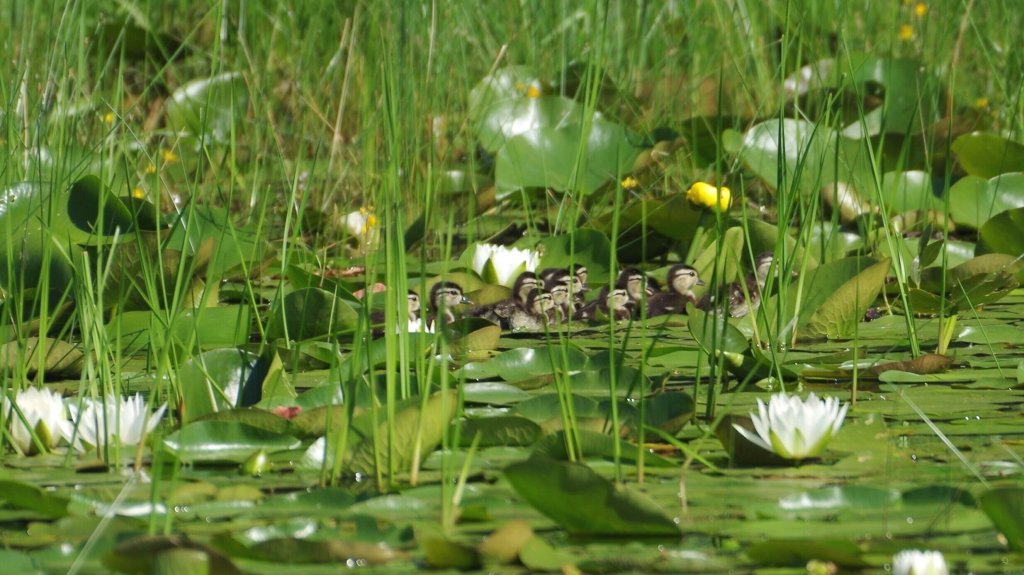
Wetlands exist along the edges of lakes, rivers, and streams, as well as in low-lying areas where rain and melting snow gathers. Some wetlands hold water throughout the year, while others, called ephemeral wetlands, are only wet in the spring or after large rainstorms. Approximately 43 percent of threatened and endangered plant and animal species in the United States live in or depend on wetlands, and these ecosystems are home to spawning fish, migrating waterfowl, breeding frogs and turtles, and beneficial insects such as dragonflies. Wetlands also provide protection against flooding and help to filter sediment and nutrients out of water flowing to lakes and rivers.


In Minnesota, the Wetland Conservation Act protects year-round and seasonal wetlands from being drained, filled, or altered. Landowners are required to get permits for projects that impact wetlands, including driveways, culverts, new construction, and home additions, and may also be required to maintain un-mowed buffers of native vegetation around wetlands on their property. Though we’ve lost half of the original wetlands here during pre-Colonial times, the Wetland Conservation Act has held the line against further losses since 1991. In additional, a 2024 report from the Minnesota Department of Natural Resources (DNR) found that we actually gained 43,000 acres of wetlands between 2006 and 2020 due to habitat restoration efforts and a changing climate with wetter weather.
If you live near a lake or wetland, you share your yard with frogs, toads, herons and more. You can help to create healthier habitat by leaving some of the grass unmowed near the edges of the woods and water; using little or no chemicals on your lawn and gardens; and planting native plants along the water’s edge. Good plants for lake and wetland edges include sedges, blue flag iris, swamp milkweed, joe-pye weed, cardinal flower, black-eyed susans, and ferns. You can also contact your county’s Soil and Water Conservation District to get professional advice on wetland vegetation, rules, and other questions.

Looking to learn more about enhancing your wetland yard with native plants that add beauty, provide habitat, and help to protect water quality? The Mahtomedi Garden Club will host a Wonderful Wetlands workshop on Tuesday, April 15 (6:30-7:30pm) at the Mahtomedi District Education Center (1520 Mahtomedi Ave). Guest speaker will be Jay Riggs, Washington Conservation District manager and wetland specialist. Or, on Thursday, June 5 (6:30-8pm), the Afton Historical Museum will host a presentation called Wetlands in our Community (3165 St Croix Trail South). Guest speaker will be me.
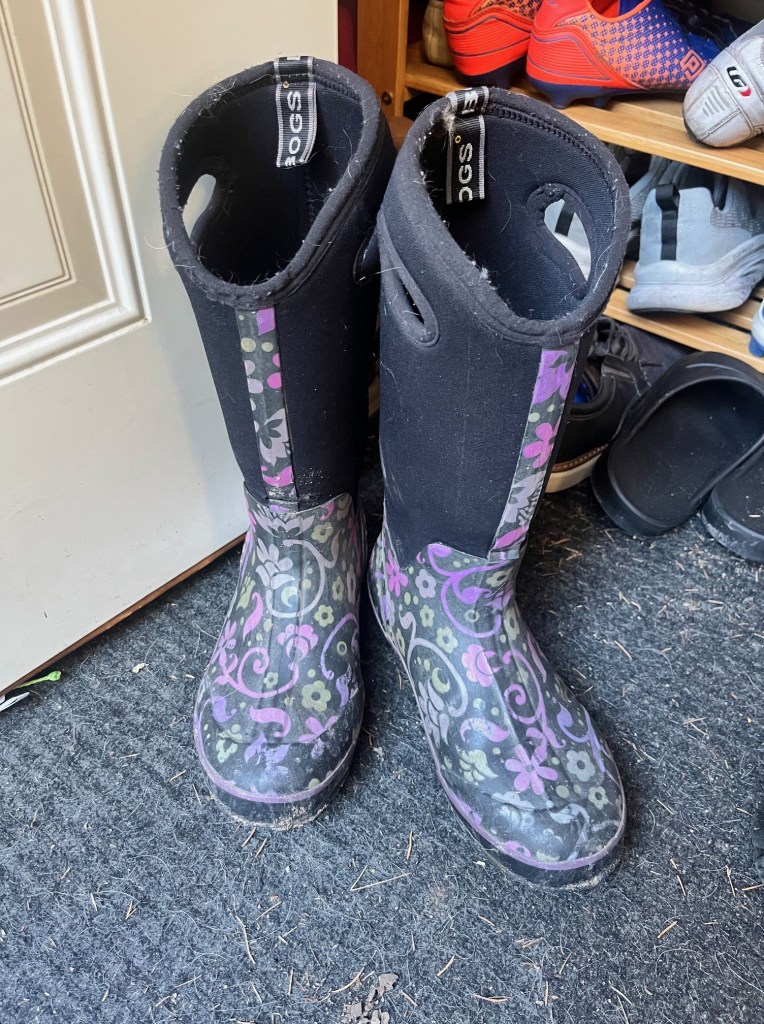
If you’re interested in exploring unique wetlands in our region, a few visitor-friendly options include the Tamarack Nature Preserve in Woodbury (1825 Tower Dr.), which has a very stable boardwalk to carry you high-and-dry through the bog; Carlos Avery WMA, which has 24,000 acres of protected land in Anoka and Chisago Counties, with a network of dirt and gravel roads that is perfect for a scenic drive or bike ride; or Crex Meadow in Grantsburg, Wisconsin, which has 30,000 acres of land and is a prime destination to see sandhill cranes by the thousands during their spring and fall migration. Also, buy yourself a pair of rubber boots!

 East Metro Water